Building on Solid Ground: Best Practices for Managing Risk in Construction Projects

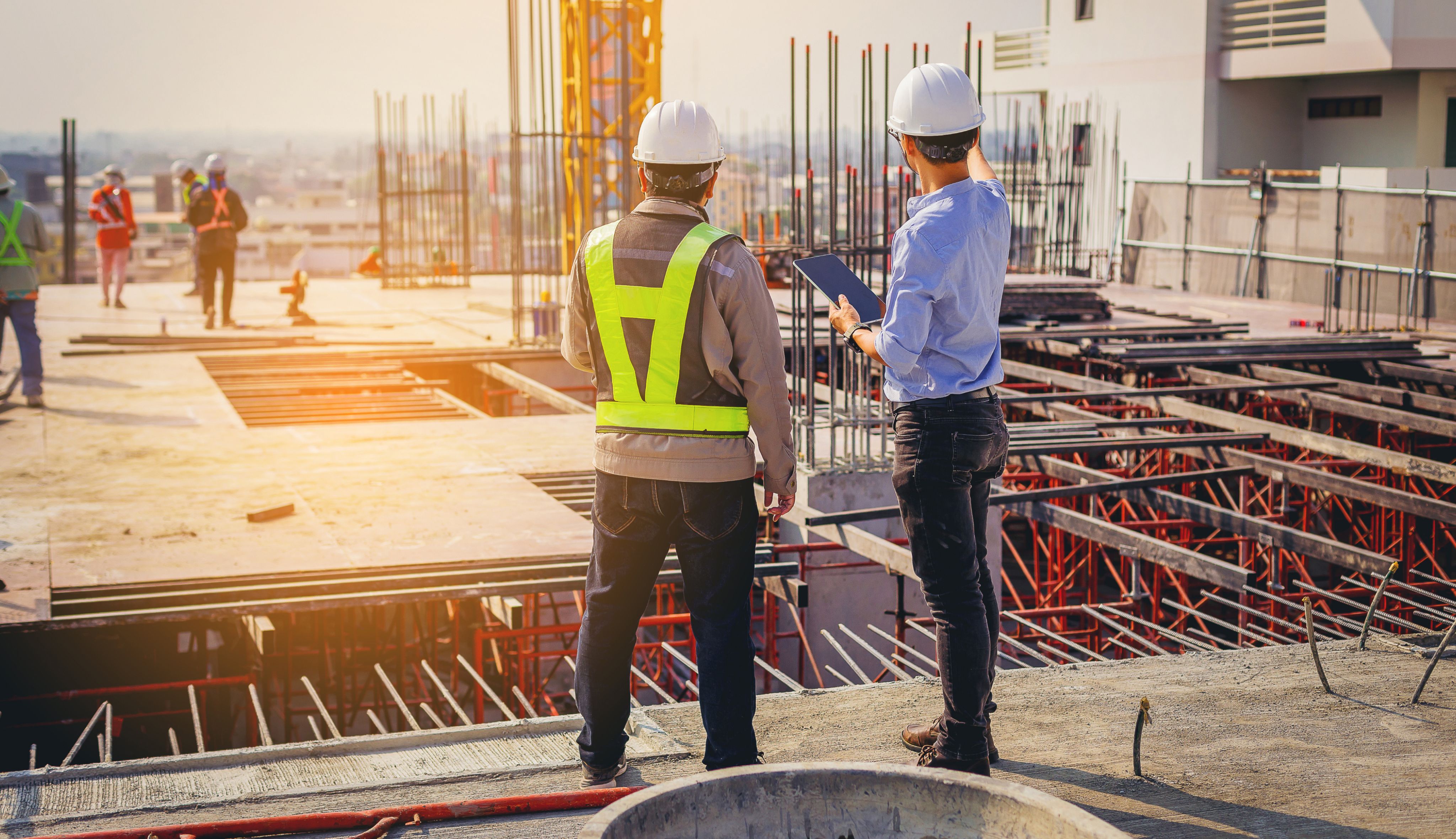
Every construction project carries risk — from unexpected weather delays and equipment theft to on-site injuries and third-party property damage. Effective construction risk management is what separates contractors who absorb those setbacks and move forward from those who face project shutdowns, costly litigation, or financial loss. Whether you're a general contractor overseeing a large commercial build or a subcontractor working specialty trades, a disciplined risk management approach is the foundation of a sustainable, profitable business.
Why Construction Risk Management Is Non-Negotiable
Construction is one of the highest-risk industries in the country. Projects involve heavy equipment, multiple trade crews, tight deadlines, and significant financial exposure at every phase. Without a clear risk management framework, a single incident — a worker injury, a fire, or accidental property damage — can derail a project timeline, trigger legal action, and create costs that far exceed a project's profit margin.
The goal of construction risk management isn't to eliminate risk entirely. It's to identify the most likely exposures, put protective measures in place before work begins, and ensure the right contractor insurance policies are in place to absorb losses when the unexpected happens.
Key Takeaway: Proactive risk management reduces both the frequency and severity of construction project coverage claims, protecting project timelines and profitability at every phase.
Essential Contractor Insurance Policies for Active Jobsites
Contractor insurance is the financial backbone of any construction risk strategy. Two policies are especially critical for active jobsites:
Builders’ Risk Insurance covers structures under construction, including materials, equipment, and the building itself, against losses from fire, weather, vandalism, and theft. Coverage typically attaches at the start of construction and remains in force until project completion. Every project without an active Builders Risk policy carries unprotected financial exposure.
General Liability Insurance protects against claims of third-party bodily injury and property damage. If a passerby is injured near your jobsite or a subcontractor accidentally damages an adjacent building, General Liability responds to those claims and the legal costs that follow.
Beyond these two core policies, contractors should also evaluate commercial auto, umbrella liability, and professional liability coverage based on project scope and contract requirements.
Key Takeaway: Builders Risk and General Liability are the minimum floor of construction project coverage — not the ceiling. Tailor your policy stack to the specific exposures of each project.
Business Risk Strategies That Prioritize Worker Safety
Worker safety and risk management are inseparable. OSHA violations, recordable injury rates, and workers' compensation claims all directly affect your ability to bid work, secure bonding, and maintain favorable insurance premiums. Strong business risk strategies build a safety culture into daily operations — not just into the employee handbook.
Practical approaches include pre-task hazard analyses before each work phase, toolbox talks at the start of every shift, and clearly defined incident reporting protocols. Contractors who invest in safety training and hold subcontractors to the same safety standards consistently see lower claim rates and fewer project disruptions.
Key Takeaway: A strong safety culture is also a financial strategy — lower incident rates reduce workers' compensation costs and protect your commercial construction insurance premiums over time.
Managing Construction Liability: Third-Party Exposure, Property Damage, and Equipment Theft
Managing construction liability means anticipating exposures beyond your own crew. Third-party injuries, damage to neighboring properties, and equipment theft are three of the most common and costly claims on construction projects.
Clear contractual language — including indemnification provisions and additional insured requirements — helps allocate liability appropriately across project stakeholders. Requiring subcontractors to carry adequate insurance and name your company as an additional insured is a basic but frequently overlooked protection.
Equipment theft is a growing concern on active jobsites. Inventory controls, GPS tracking on high-value equipment, and proper Builders Risk or Inland Marine coverage work together to reduce both the occurrence and financial impact of theft claims.
Key Takeaway: Managing construction liability starts with contracts and ends with coverage — both layers need to be airtight before a project breaks ground.
How Tailored Commercial Construction Insurance Protects Your Projects
No two construction projects carry identical risk. A high-rise commercial build has different exposures than a ground-up retail development or a tenant improvement project. Commercial construction insurance should reflect those differences — not default to a one-size-fits-all policy package.
Working with an insurance advisor who understands the construction industry allows you to structure coverage that aligns with project type, contract requirements, subcontractor scope, and timeline. That alignment reduces coverage gaps, avoids redundant premiums, and ensures that when a claim occurs, your policy responds as you expect.
Key Takeaway: Tailored commercial construction insurance protects project timelines and profitability by closing the gaps left by generic policies.
Build Every Project on a Foundation of Risk Protection
Effective construction risk management is not a line item to minimize — it's a competitive advantage. Contractors who combine strong business risk strategies, comprehensive contractor insurance, and a culture of jobsite safety win better contracts, retain better crews, and build more profitable businesses over time. Start every project with a risk review, ensure your coverage matches your exposure, and work with partners who understand the construction industry's unique demands.
Ready to review your current insurance program? Contact our team to schedule a coverage analysis tailored to your projects.